Getting Your Hot Water Back
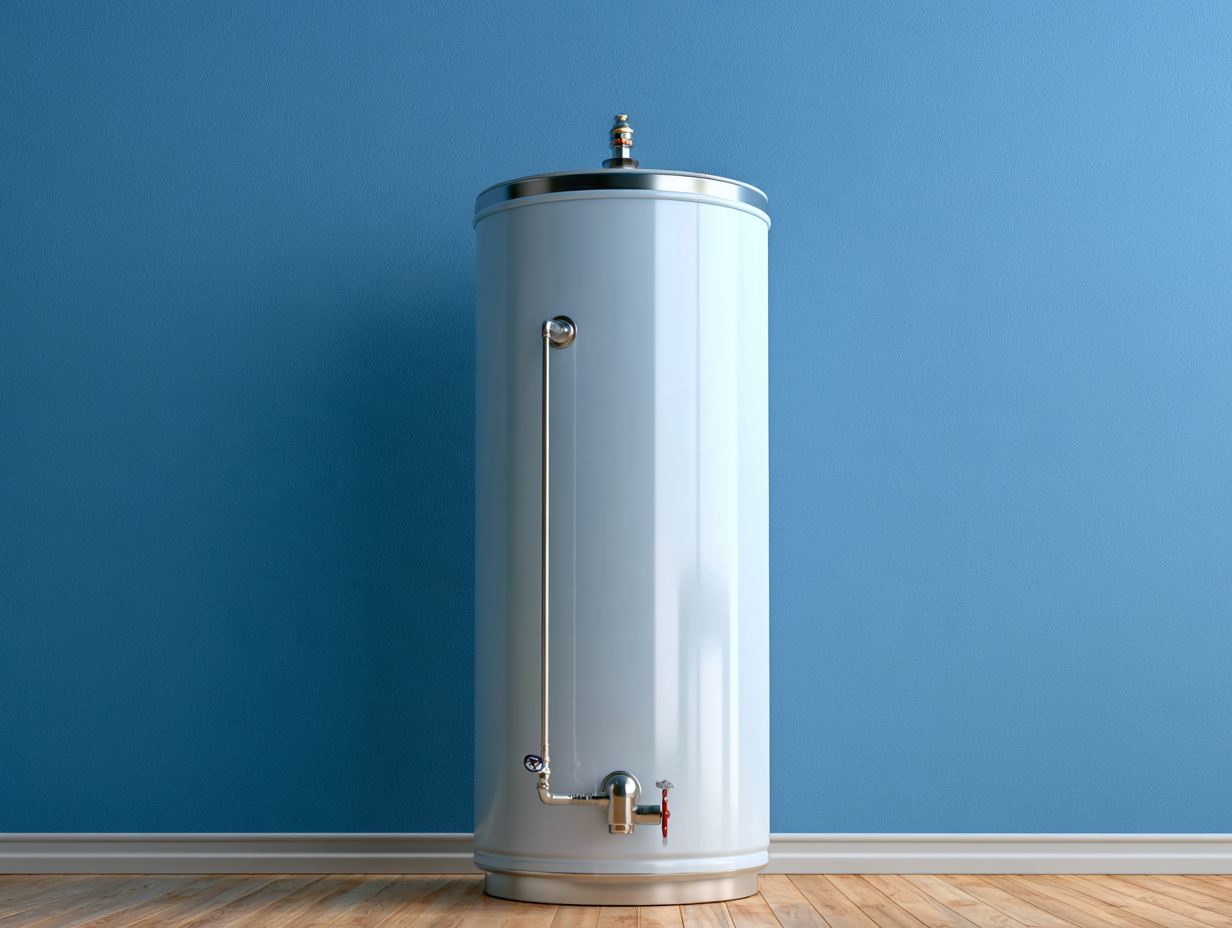
Water heater repair in Caldwell covers everything from a failed heating element or thermocouple to a tank that has reached the end of its life. A plumber will figure out why the water isn't hot, or why the tank is leaking, and tell you whether a repair makes sense or whether replacement is the better investment. Gas and electric tank heaters, tankless units and hybrid heat-pump models are all common across the Treasure Valley.
Call (208) 603-5209 to get connected with an independent plumber who handles water heater repair and replacement.
No Hot Water? Common Causes
Electric tank heaters
- A tripped breaker or high-limit reset
- A burned-out upper or lower heating element
- A failed thermostat
Gas tank heaters
- A pilot light that won't stay lit
- A worn thermocouple or flame sensor
- Gas supply or venting problems (never ignore a gas smell)
Any water heater
- Sediment built up in the bottom of the tank
- A broken dip tube mixing cold water into the hot
- A tank simply too small for the household's demand
Repair or Replace?
Repairs make sense when the tank itself is sound and the heater is relatively young. Elements, thermostats, thermocouples, valves and anode rods can all be replaced.
Replacement usually makes more sense when:
- The tank is leaking from the body (not a fitting or valve)
- The heater is more than about 10 to 12 years old, often sooner with hard water
- Rusty or discolored hot water keeps coming back
- Repairs are getting frequent
- Your household has outgrown it
A plumber can look at the age, condition and repair cost and give you a straight answer on which way to go.
Hard Water and Sediment
Treasure Valley water is mineral-heavy. When water heats, those minerals drop out and settle at the bottom of the tank as sediment. Over time that layer insulates the water from the burner, makes popping and rumbling noises, wastes energy and overheats the tank bottom until it fails.
Annual flushing and checking the anode rod, the sacrificial metal rod that protects the tank from corrosion, can add years to a water heater's life. Read more in how Treasure Valley hard water affects your water heater.
Tank vs. Tankless
Tank heaters store 40 to 80 gallons of hot water and are the most common and least expensive to install.
Tankless heaters heat water on demand, take up far less space and never "run out", but they cost more up front, may need larger gas lines or electrical service, and need regular descaling in hard-water areas.
Many new homes in Meridian, Star and Eagle are built with tankless units. For a full comparison, see tank vs. tankless water heaters for Idaho homes.
Leaking Water Heater: What to Do Now
- Shut off the cold water supply valve on top of the heater.
- Turn off the power (breaker) for electric heaters, or set gas heaters to "off."
- Connect a hose to the drain valve and drain the tank to a floor drain or outside if the leak is from the tank.
- Move anything stored nearby and take photos for insurance.
- Call a plumber. A leak from a valve or fitting may be a quick repair; a leak from the tank means replacement.
Signs Your Water Heater Is Near the End
Water heaters rarely fail without warning. Watch for:
- Age. Check the manufacture date on the label. Past about 10 years, start planning.
- Rumbling or popping that gets louder over time.
- Rusty or cloudy hot water.
- Moisture or rust around the base or fittings.
- Hot water running out faster than it used to.
- Frequent pilot outages or tripped breakers.
Replacing a heater on your schedule is far easier than replacing it after the tank lets go and floods the garage. Planning ahead also gives you time to consider whether a larger tank, a tankless unit or a heat-pump model better fits your household before you need one. If two or three of these signs sound familiar, call (208) 603-5209.
Water Heater Work: DIY vs. Pro
Reasonable for homeowners
- Resetting a tripped breaker
- Relighting a pilot per the label instructions
- Flushing a few gallons from the drain valve
- Testing the relief valve
Leave to a licensed plumber
- Replacing elements, thermostats or gas controls
- Any gas line or venting work
- Installing or replacing a water heater (Idaho typically requires a permit)
- Converting from tank to tankless
Making a Water Heater Last
- Flush the tank once a year to clear sediment.
- Check the anode rod every few years and replace it when it's mostly worn away.
- Test the temperature and pressure relief valve annually.
- Set the thermostat around 120°F to save energy and slow scale buildup.
- Consider a water softener if scale is a constant problem.
Tank older than 10 years and acting up?
Call (208) 603-5209 for a local plumber's opinion.
Call (208) 603-5209Water Heater Repair Across Canyon & Ada Counties
Canyon County
Ada County
Water Heater FAQ
How long do water heaters last in the Treasure Valley?
Tank heaters often last around 8 to 12 years. Hard water and skipped maintenance shorten that; annual flushing and anode rod checks extend it.
Why does my water heater make popping noises?
That's usually sediment at the bottom of the tank. Water trapped under the mineral layer boils and pops. Flushing helps, and heavy buildup can shorten the tank's life.
Why is my hot water rusty?
Often a worn-out anode rod or corrosion inside the tank. If the rust only shows in hot water, the heater is the likely source.
Is tankless worth it?
It can be for households that run out of hot water or want to save space, but installation costs more and hard water means regular descaling. A plumber can tell you whether your gas line and venting can support one.
Related Services
How Treasure Valley Hard Water Affects Your Water Heater and Pipes
What mineral-heavy water does to water heaters and fixtures, and how to protect them.
Tank vs. Tankless Water Heaters for Idaho Homes
How the two compare for Treasure Valley homes, including hard water and cold winters.
Looking for general help in town? See plumbing in Caldwell.