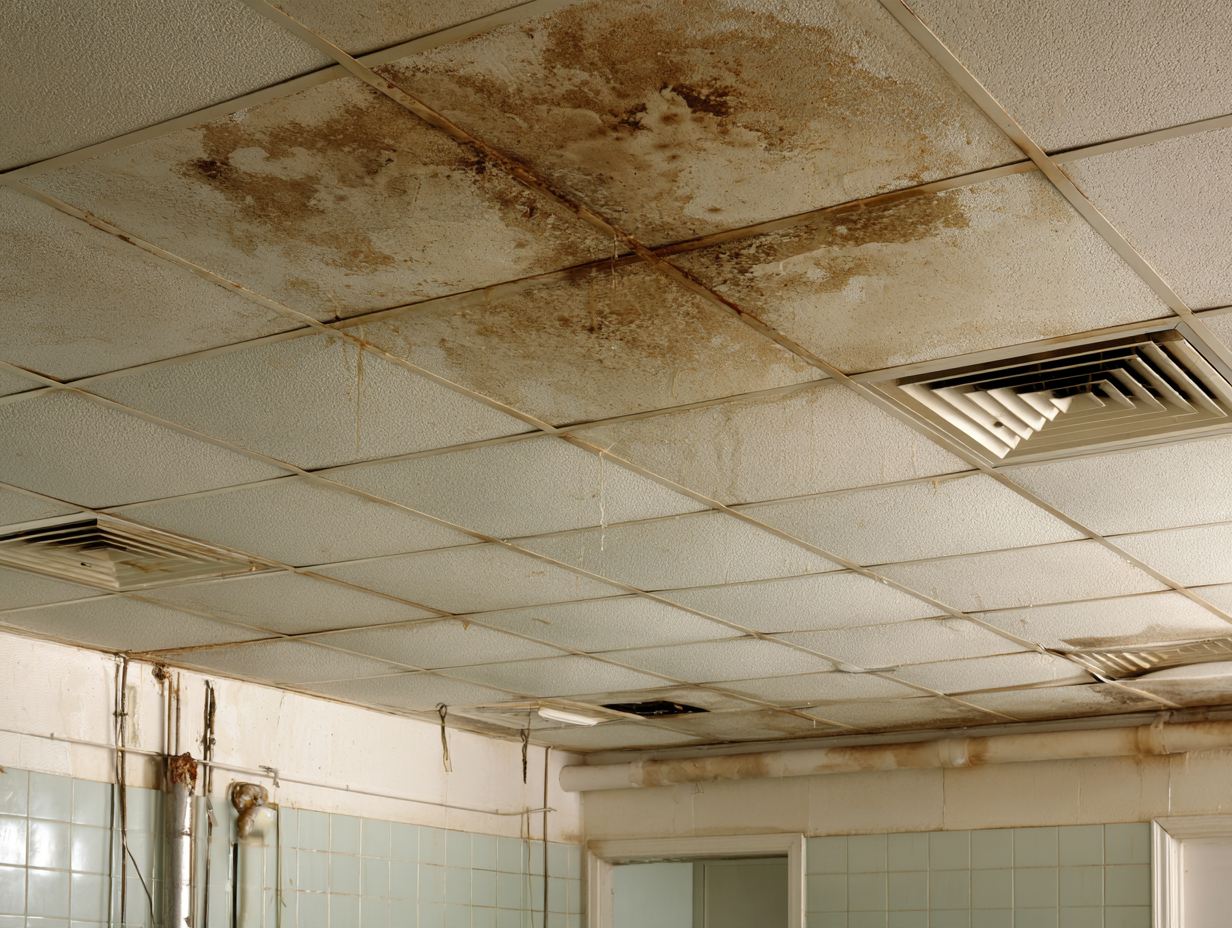
Finding the Leak You Can't See
Leak detection is about finding water that's escaping where you can't see it: inside walls, under floors, beneath a slab or underground between the meter and the house. Hidden leaks waste water, rot framing, feed mold and can undermine foundations long before they show up as a puddle. A Caldwell plumber with the right tools can pinpoint the leak, often without opening more than a small section of wall or floor, and then repair it.
Call (208) 603-5209 to get connected with an independent plumber who handles leak detection.
Signs of a Hidden Leak
- A water bill that jumps without a change in use
- The meter moves when every fixture is off
- Stains, bubbling paint or soft drywall on walls or ceilings
- Warm spots on the floor (a hot-water line under a slab)
- The sound of running water when nothing's on
- Musty smells or mold along baseboards or in cabinets
- Low water pressure that comes on suddenly
- A wet, green or sinking patch in the yard along the service line
Test Your Water Meter First
A quick check you can do yourself:
- Turn off every faucet, appliance and irrigation zone that uses house water.
- Find the water meter (usually in a box near the street) and note the reading or watch the small leak indicator.
- Wait 30 to 60 minutes without using any water.
- If the reading changed or the indicator moved, water is leaking somewhere.
To narrow it down, close the main shutoff at the house and check the meter again. If it still moves, the leak is likely in the underground line between the meter and the house.
How Plumbers Find Hidden Leaks
- Acoustic listening devices pick up the sound of water escaping a pressurized pipe, even through concrete.
- Thermal imaging shows temperature differences from hot-water leaks and wet materials.
- Pressure testing isolates sections of the system to find which line is losing pressure.
- Moisture meters map how far water has spread into drywall, wood and flooring.
- Line tracing locates buried pipes so digging, if needed, is in the right spot.
Slab and Under-Floor Leaks
Leaks in lines under a concrete slab or crawl space are some of the hardest to spot. Signs include warm floors, cracks in flooring or tile, the sound of water under the floor and unexplained moisture at baseboards. Once the leak is pinpointed, the options are usually a targeted repair through the slab or rerouting the line through walls or the attic, which avoids breaking concrete and is often the longer-lasting fix.
Leaks Behind Walls and Ceilings
Leaks inside walls are especially common in upstairs bathrooms and laundry rooms, where a loose drain connection or a failed supply line sends water down through the floor framing.
Supply lines, drain lines and shower valves inside walls can leak for months. Water follows framing and shows up far from the source, so a ceiling stain under a bathroom isn't always directly below the leak. A plumber will trace it back, open the smallest access possible and repair it, then let you know whether the area needs professional drying.
Outdoor and Service Line Leaks
The water service line runs underground from the meter to the house, and a break can waste a large amount of water without any sign indoors. In Canyon County, many subdivisions also have separate pressurized irrigation systems; a leak there won't show on your house water meter, but a soggy spot on an otherwise dry day can point to it. A plumber can tell you which system is leaking and whether it's on your side of the meter.
Why Leaks Matter More in Crawl-Space Homes
Many Treasure Valley homes sit over a crawl space rather than a full basement or slab. That's convenient for plumbers, because pipes are easier to reach, but it also means a leak can drip unseen for weeks. Water collects on the vapor barrier or soaks into the soil, humidity under the house climbs, and the insulation, joists and subfloor slowly absorb it. Signs from upstairs include a musty smell, soft spots in the floor, more insects than usual, or condensation on windows in winter. A twice-a-year look under the house with a flashlight is one of the simplest ways to catch a leak early. Look especially under bathrooms, the kitchen and the laundry room, and check whether insulation between the joists is sagging or wet, which is often the first visible sign.
Leak Detection: DIY vs. Pro
You can check
- The water meter test above
- Under sinks and around toilets, the water heater and appliances
- For a running toilet (a few drops of food coloring in the tank)
- Outdoor faucets and hoses
Call a plumber
- The meter shows a leak you can't find
- Stains, warm floors or the sound of water
- Any leak inside a wall, ceiling or slab
- A suspected break in the underground service line
Leak Detection Across Canyon & Ada Counties
Canyon County
Ada County
Leak Detection FAQ
How much water can a hidden leak waste?
A lot. Even a small, steady leak can waste thousands of gallons over a few months, and a running toilet alone can waste a surprising amount each day.
Will the plumber have to tear open my walls?
Usually only a small access opening. Acoustic and thermal tools let plumbers pinpoint the leak so the opening is in the right place.
Is a slab leak covered by insurance?
Policies often cover water damage from a sudden leak but not always the cost of finding and repairing the pipe. Check your policy before work starts.
What's the most common hidden leak?
Toilets that run silently, followed by supply lines under sinks and behind appliances, and leaks in shower valves inside the wall.
Related Services
How to Find a Hidden Water Leak in Your Home
Step-by-step checks, from the water meter test to the crawl space.
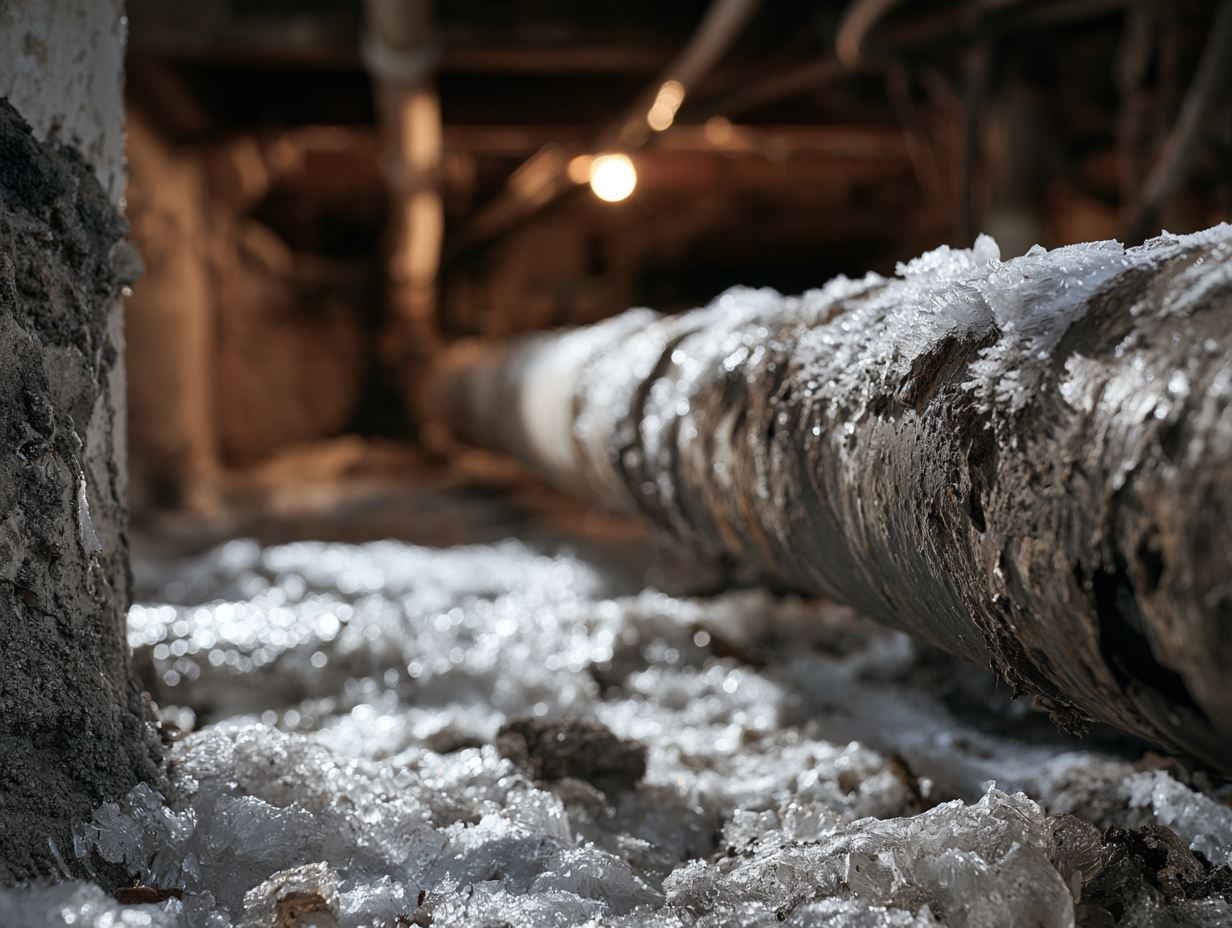
Frozen and Burst Pipes in Treasure Valley Winters
How to keep pipes from freezing during a cold snap, and what to do if one bursts.
Looking for general help in town? See plumbing in Caldwell.