What Sewer Line Repair Involves
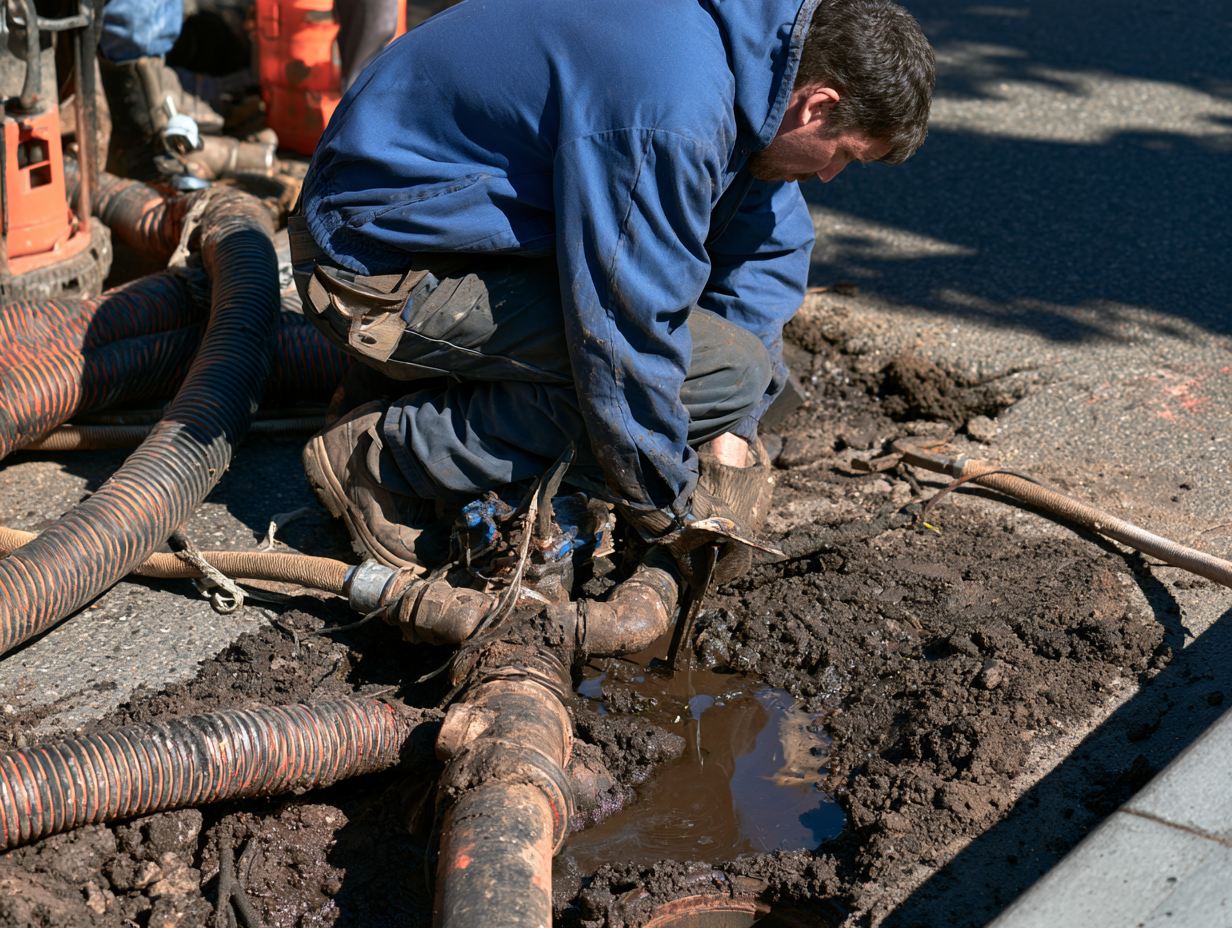
Your home's sewer line (sometimes called the lateral) carries every drop of wastewater from the house to the city main or your septic tank. When it cracks, sags, separates at a joint or fills with roots, the result is slow drains, repeated backups, sewage odors and sometimes wet spots in the yard. Sewer line repair in Caldwell starts with finding exactly where and why the line has failed, then fixing just that section or replacing the line if it's failing along its length.
Call (208) 603-5209 to get connected with an independent plumber who works on sewer lines in Caldwell and the surrounding area.
Warning Signs of a Sewer Line Problem
- Backups in the lowest drains, like a basement floor drain or first-floor tub
- Several drains slow at once, especially after laundry or showers
- Gurgling toilets when other fixtures drain
- Sewer odor indoors or in the yard
- Soggy, sunken or unusually green patches along the line's path
- Clogs that come back soon after the main line is cleared
For a deeper look at each sign, read warning signs of a sewer line problem.
Camera Inspection: Finding the Problem
Guessing is expensive when the pipe is buried several feet underground. Most plumbers start with a sewer camera inspection: a waterproof camera on a flexible cable is fed into the line through a cleanout, showing the inside of the pipe on a screen. A locator can pinpoint the camera's position and depth from the surface.
The inspection shows:
- Roots growing through joints or cracks
- Bellies, low spots where the pipe has sagged and holds water and waste
- Offset or separated joints
- Cracks, breaks or collapsed sections
- Corrosion and scale inside older cast-iron pipe
Ask to see the footage. It helps you understand the recommendation and is useful for insurance or a home sale.
Repair vs. Replacement
Spot repair replaces a short damaged section. It makes sense when the rest of the line is in good shape and the problem is in one place, like a single cracked joint or a root intrusion near the house.
Full replacement makes sense when the camera shows problems along much of the line, the pipe material is near the end of its life, or repeated spot repairs keep adding up. Replacing the whole line usually ends recurring backups for good.
A plumber will explain what the footage shows and the trade-offs of each option.
Trenchless Options
Traditional repair means digging a trench along the pipe. Trenchless methods can repair or replace a sewer line with much less digging:
- Pipe lining (CIPP) inserts a resin-soaked liner that hardens into a new pipe inside the old one.
- Pipe bursting pulls a new pipe through the old one, breaking the old pipe apart as it goes.
Trenchless work can save driveways, landscaping and mature trees, but it isn't right for every line. Badly collapsed pipe or severe bellies may still need excavation.
Older Clay and Cast-Iron Lines in Caldwell
Homes near downtown Caldwell, the College of Idaho and other established neighborhoods often still have their original sewer lines. Clay pipe was laid in short sections with many joints, which roots find easily. Cast iron lasts for decades but corrodes from the inside, building up scale that catches waste and eventually cracking. If your home is older and you've never had the line inspected, a camera look is a smart step, especially before buying or selling.
Newer subdivisions use PVC, which resists roots, but settling soil during construction can still create bellies and offset joints.
Who's Responsible: Homeowner or City?
In most Treasure Valley cities, the homeowner is responsible for the sewer line from the house to the city main or the property line, and the city maintains the main itself. The exact dividing point varies, so check with your city's public works department. Homes outside city limits on septic are responsible for the entire system.
Septic Systems Outside City Limits
Not every home in the area is on a city sewer. Many acreage properties around Middleton, Star, Kuna and rural Canyon County have septic systems: a buried tank and a drain field in the yard. The line from the house to the tank can crack, clog or fill with roots just like a city sewer lateral, and the symptoms look similar: slow drains, gurgling and backups. A plumber can clear and inspect the line to the tank. Problems with the tank or drain field themselves, like a tank that needs pumping or a saturated field, usually call for a septic service company. If you're on septic and seeing backups, it helps to know when the tank was last pumped.
What You Can and Can't Do Yourself
Homeowner steps
- Stop using water during a backup
- Locate your cleanout (often a capped pipe near the foundation)
- Keep wipes, grease and paper towels out of drains
- Note when and where backups happen to help the plumber
Leave to a plumber
- Clearing a main line clog
- Camera inspection and locating
- Any excavation or trenchless work
- Permits and inspections required for sewer repairs
Sewer Line Repair Across Canyon & Ada Counties
Canyon County
Ada County
Sewer Line FAQ
How long does a sewer line last?
It depends on the material. Clay and cast iron can last many decades but become vulnerable to roots and corrosion with age. PVC lasts much longer but can still sag or separate if the soil settles.
Does homeowners insurance cover sewer line repair?
Often not for wear, roots or age. Some policies offer a separate service-line or sewer backup endorsement. Check your policy.
How do I find my sewer cleanout?
Look for a capped pipe, usually 3 to 4 inches across, near the foundation, in the crawl space or in the yard along the line's path.
Can tree roots be removed for good?
Clearing roots restores flow, but they'll grow back into the same crack. Repairing or lining the damaged section is the lasting fix.
Related Services
Warning Signs of a Sewer Line Problem
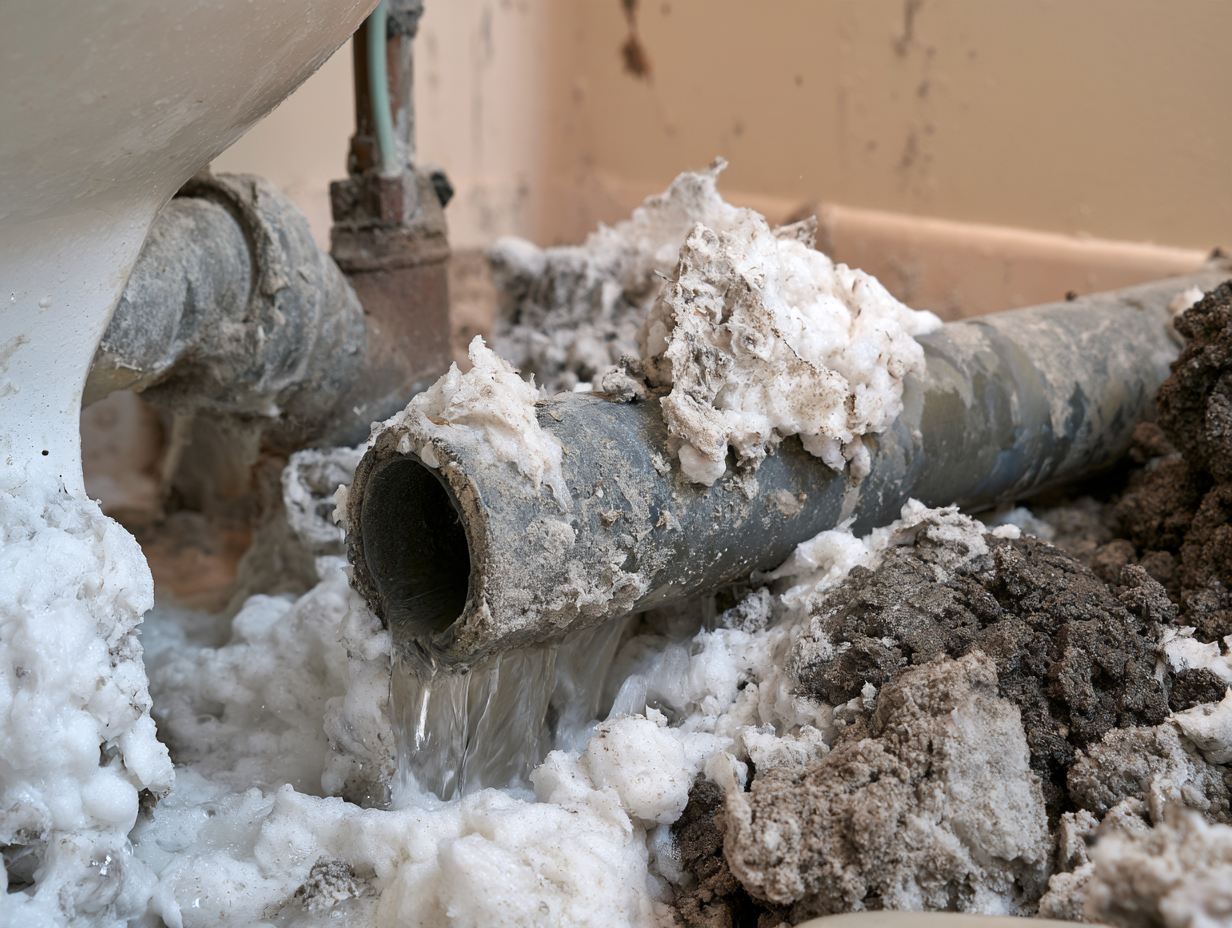
Seven signs your main sewer line needs attention, and what to do next.
How to Choose a Licensed Plumber in Caldwell
Idaho licensing, insurance, the right questions and the red flags.
Looking for general help in town? See plumbing in Caldwell.