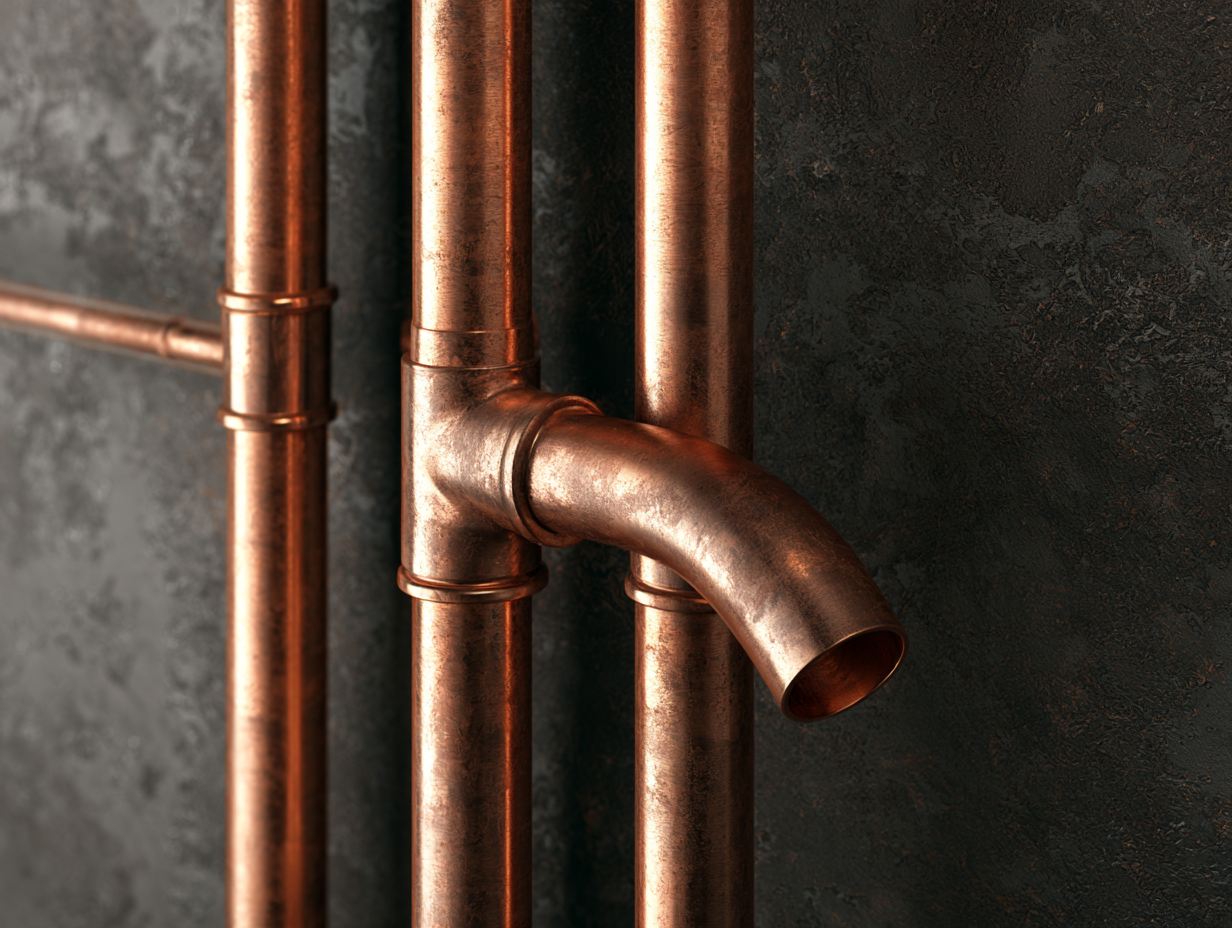
From One Bad Fitting to a Whole-House Repipe
Pipe repair in Caldwell ranges from fixing a single split line after a cold snap to replacing every supply pipe in an older home. A plumber will find what failed and why, repair it to code, and tell you honestly whether the rest of the system has years left or is likely to keep failing. That distinction matters: patching one leak in pipe that's corroding everywhere just means another leak soon.
Call (208) 603-5209 to get connected with an independent plumber who handles pipe repair and repiping.
Common Pipe Problems
- Burst or split pipes from freezing
- Pinhole leaks in older copper, often from water chemistry or age
- Corroded galvanized steel that restricts flow and rusts from inside
- Failed fittings or connections, especially at older crimp or compression joints
- Low water pressure throughout the house from scale-choked pipes
- Noisy pipes, banging or "water hammer" when valves close
Frozen and Burst Pipes
Pipes that run through crawl spaces, garages, exterior walls or attics are most at risk during a Treasure Valley cold snap. Signs a pipe has frozen: a faucet that slows to a trickle or stops, frost on exposed pipe, or a bulge in the line. If you catch it before it breaks, open the faucet and warm the area gently. Never use an open flame.
Once a pipe splits, the leak often starts as it thaws. Shut off the main water valve right away and call. A plumber will replace the damaged section and check nearby pipe that may also have cracked. More tips in frozen and burst pipes in Treasure Valley winters.
Galvanized, Polybutylene and Older Pipe
Galvanized steel was common in homes built before the 1960s and '70s. It corrodes from the inside, narrowing the pipe until pressure drops and the water turns rusty.
Polybutylene (usually gray plastic pipe) was used in many homes built from the late 1970s to the mid-1990s. It's known for failing without warning, often at the fittings, and many insurers treat it as a risk.
Older copper generally holds up well but can develop pinhole leaks with age, especially where water chemistry is aggressive or the pipe was installed with poorly cleaned joints.
If your home has galvanized or polybutylene supply pipe, it's worth asking a plumber about replacement before a failure makes the decision for you.
When Repiping Makes Sense
- Leaks keep happening in different places
- The pipe is galvanized or polybutylene
- Water pressure is low throughout the house
- Water is discolored or has a metallic taste
- You're remodeling and walls are already open
- A home inspection flagged the plumbing before a sale
PEX vs. Copper
PEX (flexible plastic tubing) is the most common choice for repipes today. It's quicker to install, needs fewer fittings, resists scale and corrosion, and tolerates freezing better than rigid pipe, though it still shouldn't be allowed to freeze.
Copper is durable and long-proven, and some homeowners prefer it, but it costs more and takes longer to install.
A plumber can explain which suits your home, water and budget.
What a Repipe Involves
- Plan the route for new lines, often through the attic or crawl space to minimize wall openings.
- Run new supply lines to each fixture while the old system stays in service as long as possible.
- Switch over fixture by fixture, then shut down the old pipe.
- Pressure-test the new system and get any required inspection.
- Patch the access openings. Ask whether patching and painting are included or separate.
Most whole-house repipes in typical homes take a few days. You'll usually have water most evenings.
Water Pressure and Your Pipes
Low water pressure throughout the house often comes down to the pipes. Galvanized steel narrows inside as rust and scale build up, and hard water speeds that process. A failing pressure-reducing valve near the main shutoff can also drop pressure everywhere at once.
Pressure that's too high is a problem too. It strains fittings, supply lines and water heaters, and can cause banging pipes and leaks. Many homes have a pressure-reducing valve to keep pressure in a safe range, and those valves wear out over time. A plumber can test your pressure with a simple gauge and tell you whether the pipes, the valve or something else is the cause. If pressure is low at only one fixture, the cause is usually local, like a clogged aerator or a failing valve, rather than the pipes themselves.
Pipe Work: DIY vs. Pro
Homeowner steps
- Shutting off the water and draining lines
- Insulating exposed pipe before winter
- Temporary leak clamps on an accessible pipe until a plumber arrives
Leave to a licensed plumber
- Cutting in new fittings or replacing sections
- Anything inside walls, floors or slabs
- Repiping (Idaho typically requires a permit)
- Gas lines of any kind
Pipe Repair & Repiping Across Canyon & Ada Counties
Canyon County
Ada County
Pipe Repair FAQ
How do I know if my house has polybutylene pipe?
Look for gray (sometimes blue or black) flexible plastic pipe at the water heater, under sinks or in the crawl space, often stamped "PB2110." A plumber can confirm it.
How long does a repipe take?
Most whole-house repipes in typical homes take a few days, depending on size and access.
Can I just fix the one leak?
If the rest of the pipe is in good shape, yes. If the pipe is corroded or failure-prone throughout, you'll likely be calling again soon. Ask the plumber what they see.
Why do my pipes bang when I shut off a faucet?
That's water hammer, a pressure surge when water stops suddenly. A plumber can add arrestors or secure loose pipe to quiet it.
Related Services
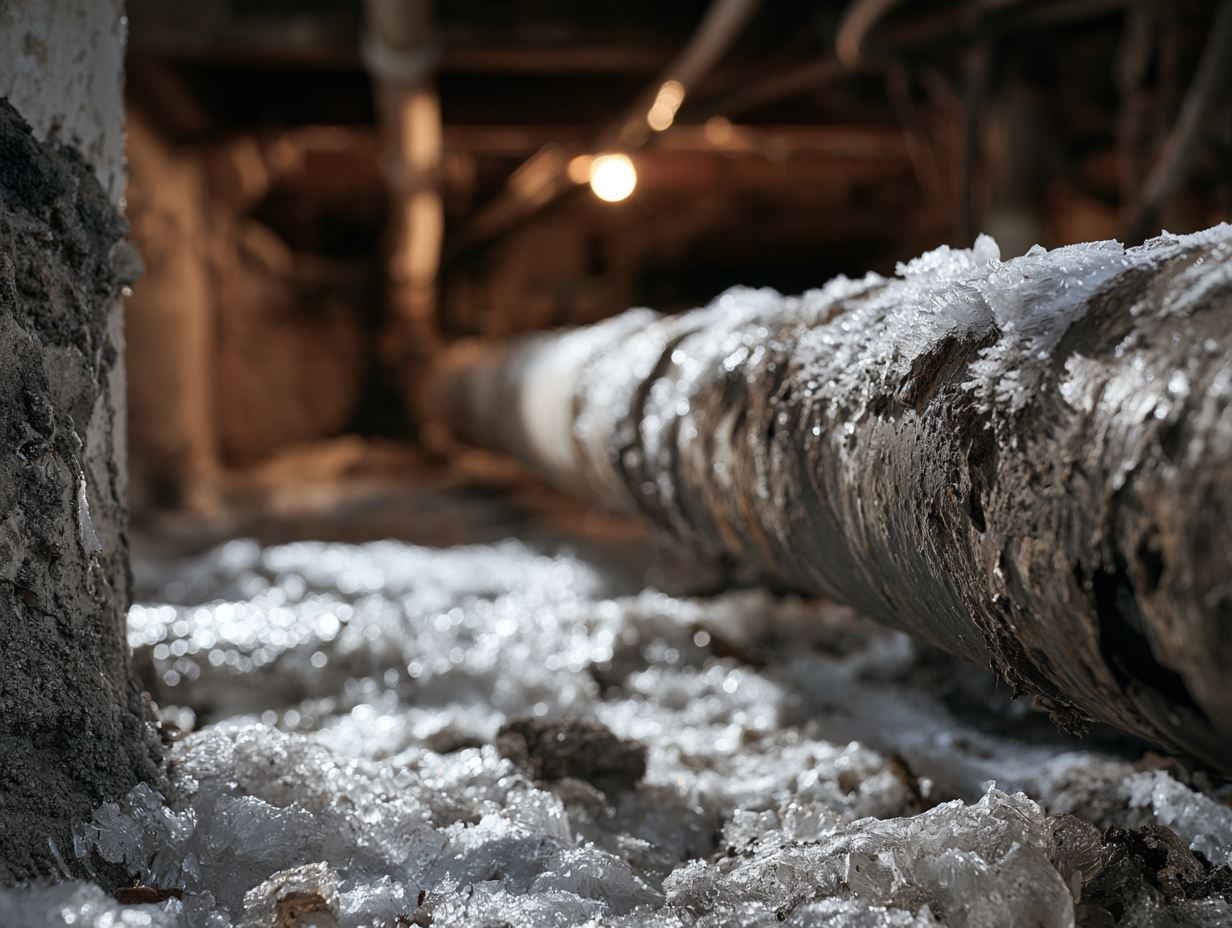
Frozen and Burst Pipes in Treasure Valley Winters
How to keep pipes from freezing during a cold snap, and what to do if one bursts.
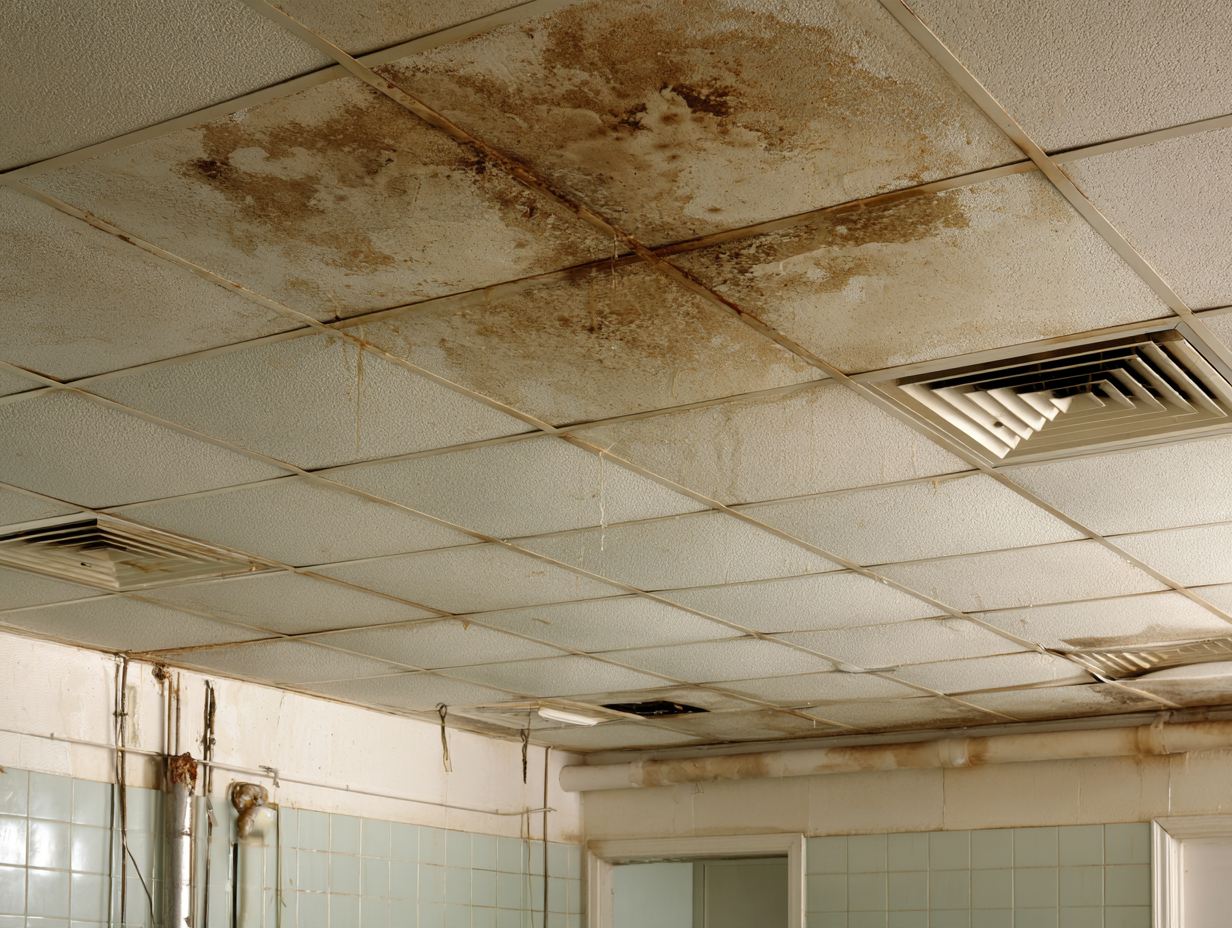
How to Find a Hidden Water Leak in Your Home
Step-by-step checks, from the water meter test to the crawl space.
Looking for general help in town? See plumbing in Caldwell.