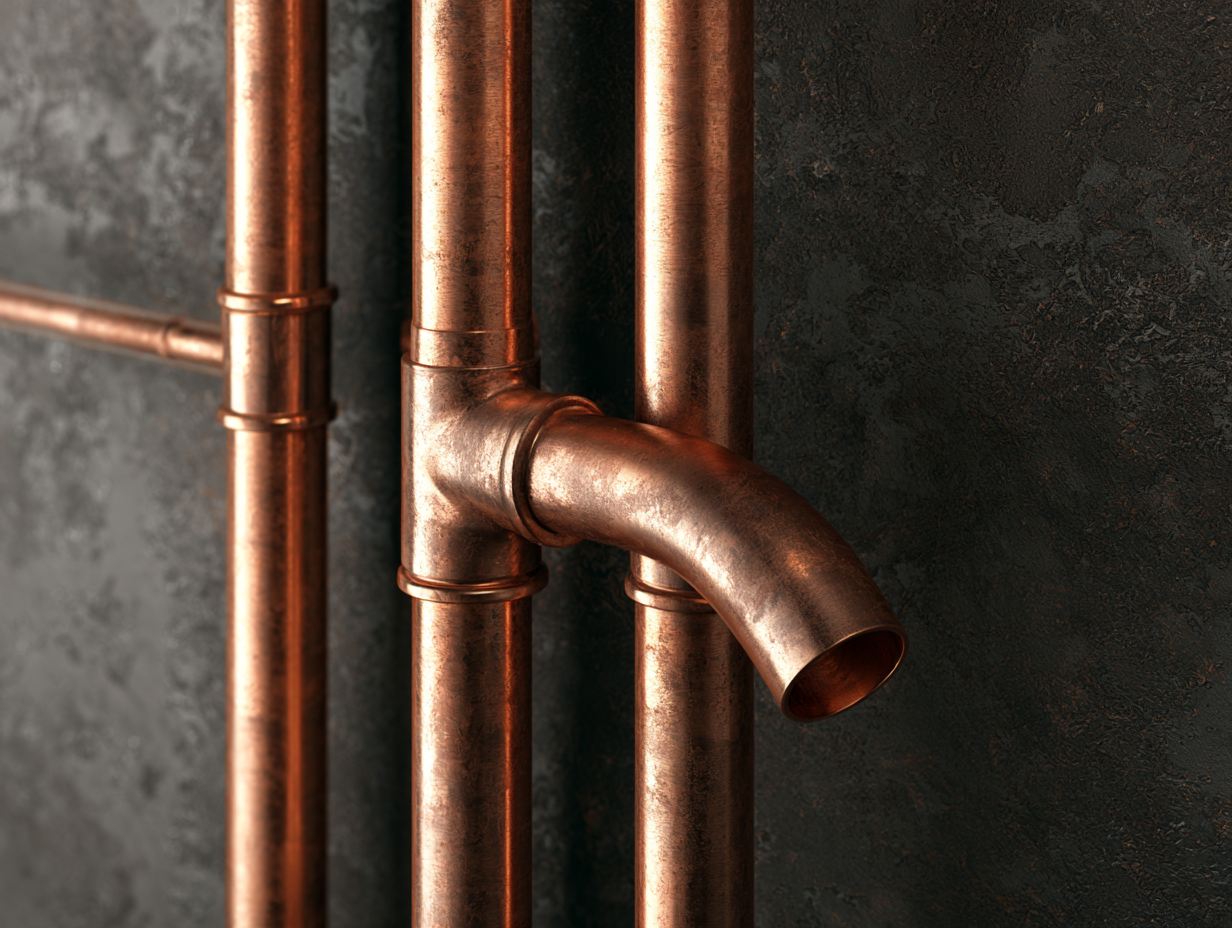
If you've lived in Caldwell, Nampa or Boise for long, you've seen it: white crust on faucets, spots on glasses, showerheads that spray sideways. That's hard water, and it's common across the Treasure Valley. It isn't a health problem, but it is hard on plumbing. Here's what it does and how to protect your home.
What Hard Water Is
"Hard" water carries dissolved minerals, mostly calcium and magnesium, picked up as groundwater moves through rock and soil. When that water is heated or evaporates, the minerals come out of solution and leave scale, a chalky, stubborn buildup.
What It Does to Water Heaters
Water heaters take the hardest hit. As water heats, minerals settle to the bottom of the tank as sediment. Over time that layer:
- Insulates the water from the burner or element, so the heater works harder and costs more to run
- Causes popping or rumbling as water trapped under the sediment boils
- Overheats the tank bottom, speeding up corrosion and leaks
- Burns out electric elements that end up buried in scale
- Reduces capacity, so hot water runs out sooner
Tankless water heaters, popular in newer homes in Meridian and across the valley, are just as sensitive. Scale builds up inside the heat exchanger, reducing flow and triggering error codes unless the unit is descaled regularly.
What It Does to Pipes and Fixtures
- Faucet aerators and showerheads clog, reducing flow
- Valves and toilet fill mechanisms wear out faster
- Dishwashers and washing machines lose efficiency and develop leaks
- Older galvanized pipe narrows from the inside as scale and corrosion build
Water heater rumbling or running cold?
Call (208) 603-5209 to reach a local plumber.
Call (208) 603-5209Signs Hard Water Is Taking a Toll
- Popping or rumbling from the water heater
- Hot water running out faster than it used to
- White or tan crust on faucets and showerheads
- Spotty dishes and stiff laundry
- Low pressure at certain fixtures
- A tankless heater showing scale-related error codes
How to Protect Your Plumbing
- Flush the water heater once a year to remove sediment.
- Check the anode rod every few years. It protects the tank from corrosion and wears out faster in hard water.
- Descale tankless heaters on the schedule in the owner's manual (often yearly in hard-water areas).
- Soak aerators and showerheads in vinegar to dissolve buildup.
- Set the water heater to about 120°F. Hotter water forms scale faster.
A Closer Look at Tankless Heaters and Scale
Tankless water heaters pass water through a narrow heat exchanger at high temperature, which is exactly where hard-water minerals like to settle. As scale builds, the unit has to work harder, flow drops, the water temperature swings and the heater eventually shuts down with an error code. Most manufacturers call for periodic descaling, typically by pumping a mild acid solution through isolation valves on the unit. Many newer homes have those valves already installed, but plenty of owners never use them. If you have a tankless unit and don't know when it was last descaled, it's worth asking a plumber to do it and show you how.
Cleaning Scale Safely
For fixtures, white vinegar is the simplest tool. Unscrew aerators and soak them, tie a bag of vinegar around a showerhead overnight, or wipe vinegar on crusted faucets and rinse. Skip harsh chemical descalers on finishes they aren't made for, and never mix cleaning products. For anything inside the plumbing system itself, like a tank, a tankless unit or pipes, leave descaling to a plumber, who can do it without damaging seals or voiding warranties.
Should You Get a Water Softener?
A softener removes calcium and magnesium before water reaches your fixtures, which can extend water heater life and cut down on scale. They're common in larger homes and in neighborhoods like Nampa and Boise, where buildup is a constant complaint. Trade-offs include salt or potassium refills, regular maintenance and a little added sodium in softened water. Many homeowners soften the water going to the water heater and fixtures but keep a separate unsoftened line for drinking. A plumber can explain the options for your home.
Hard Water on Wells
Homes on private wells, common on acreage around Middleton, Star and Kuna, can have water that's even harder than city water, sometimes with iron or other minerals that stain fixtures orange or brown. Well owners often benefit most from water treatment, but the right setup depends on what's actually in the water. Well water can also change with the seasons and with irrigation in the surrounding fields. A simple water test is the place to start, and it tells you whether a softener, an iron filter or another kind of treatment makes sense before you spend money on equipment.
When to Call a Plumber
If your water heater is noisy, leaking, rusty or not keeping up, or your water pressure has dropped, call (208) 603-5209 to get connected with an independent local plumber. Learn more about water heater repair and replacement and plumbing in Caldwell.
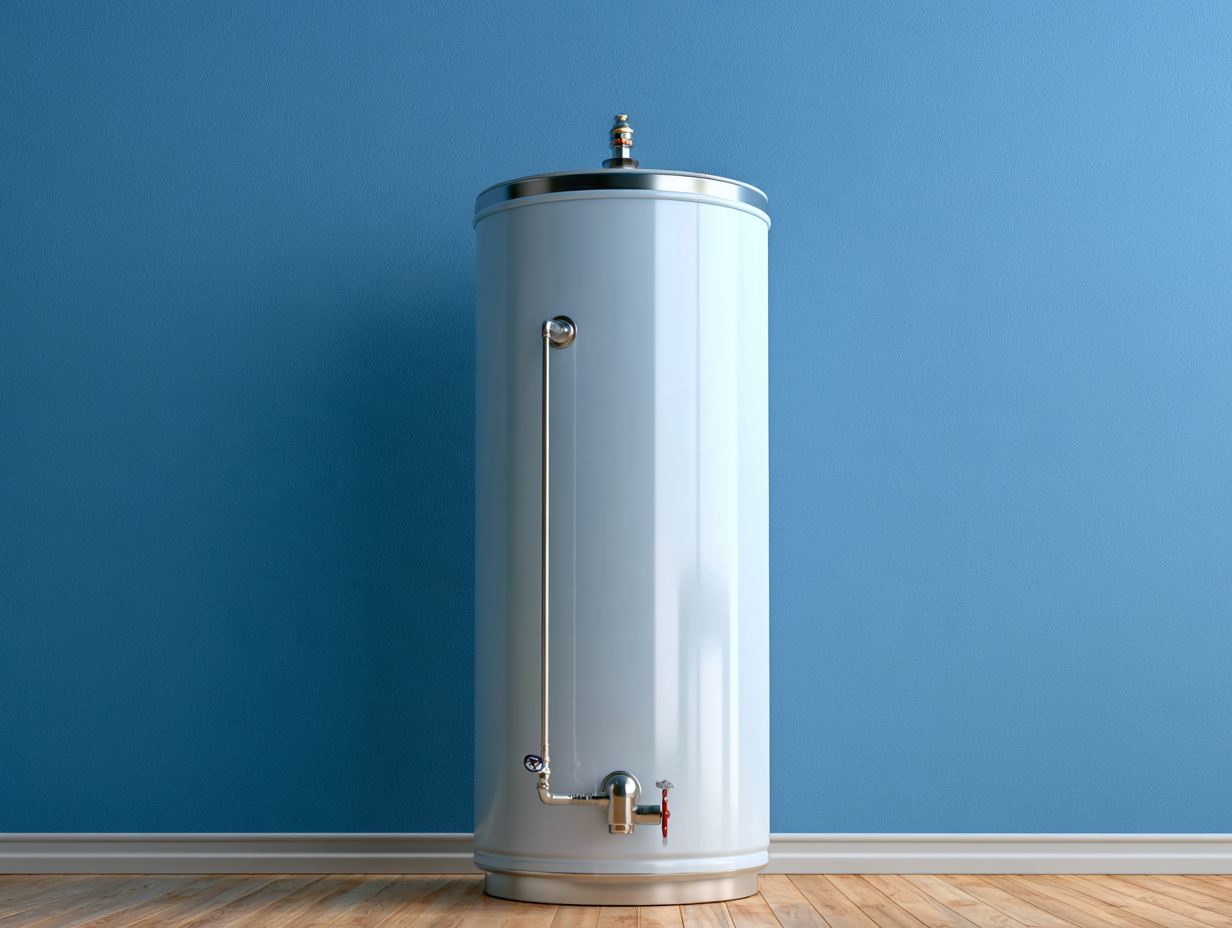
Tank vs. Tankless Water Heaters for Idaho Homes
How the two compare for Treasure Valley homes, including hard water and cold winters.
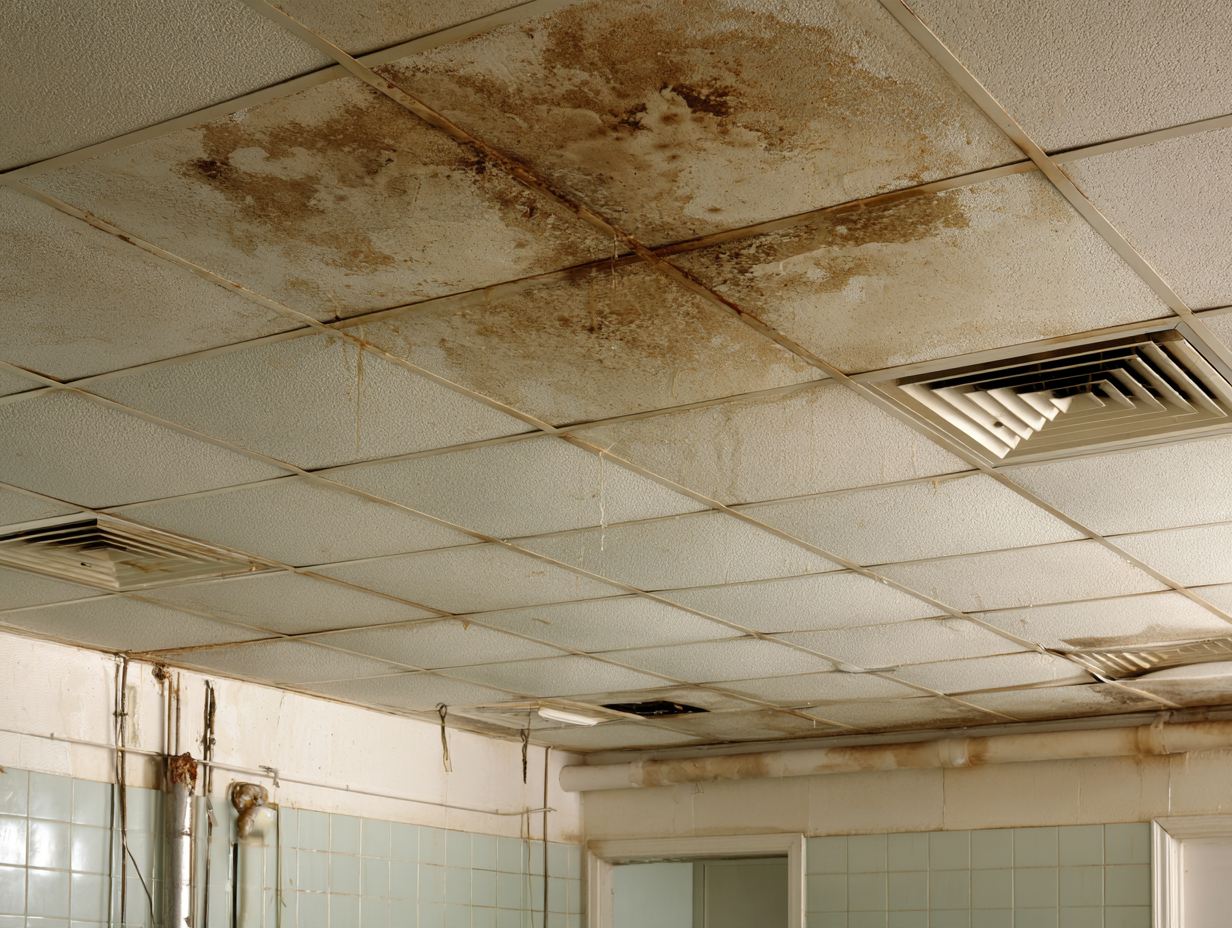
How to Find a Hidden Water Leak in Your Home
Step-by-step checks, from the water meter test to the crawl space.