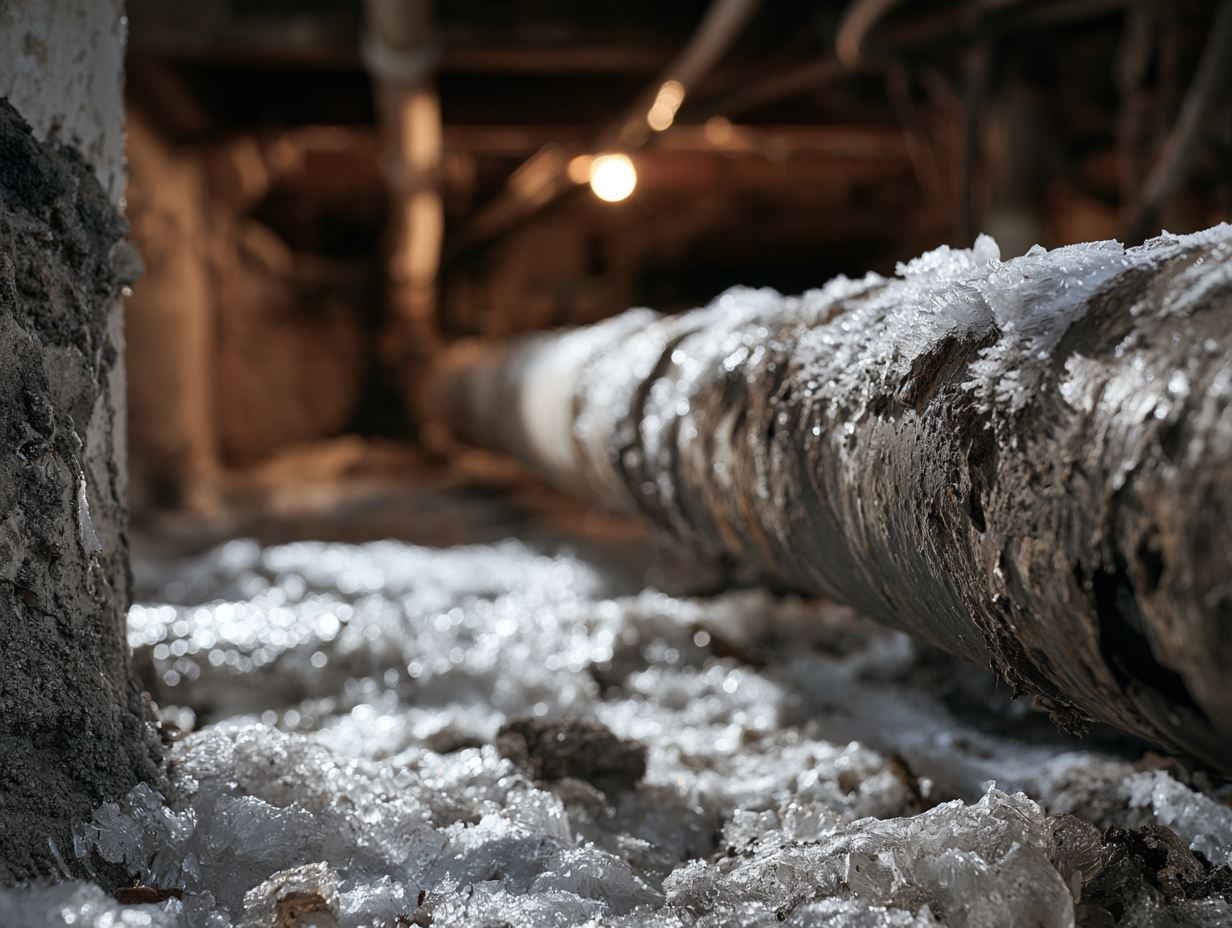
Treasure Valley winters aren't the harshest in Idaho, but they're plenty cold for pipes. A few nights in the teens or single digits, especially with wind, is all it takes to freeze water in an exposed line. When it freezes, it expands, and when it thaws, a split pipe can flood a crawl space, garage or finished room in a hurry. Here's how to prevent it and what to do if it happens anyway.
Why Pipes Freeze Here
Most homes in Caldwell and the surrounding area have at least some plumbing in places that don't stay warm:
- Crawl spaces, especially near foundation vents
- Garages, where laundry lines and water heaters often sit
- Exterior walls, particularly kitchen and bathroom sinks on north-facing walls
- Hose bibs and the short lines feeding them
- Outbuildings, shops and stock tanks on acreage properties
The risk is highest during a cold snap that lasts several days, and on windy nights, when cold air pushes into crawl spaces and wall cavities.
Where the Risk Is Highest
Acreage homes around Star, Kuna and Middleton often have long water lines running to shops, barns and stock tanks, plus well equipment in pump houses that can freeze. Older homes with less insulation and manufactured homes with plumbing in the underbelly are also especially vulnerable.
Before Winter: Prevention Checklist
- Disconnect garden hoses and drain or cover outdoor faucets.
- Insulate exposed pipes in the crawl space, garage and attic with foam sleeves.
- Close crawl-space vents during deep cold (reopen them in spring).
- Caulk or foam any openings where pipes go through outside walls.
- Find your main shutoff and make sure it turns.
- Drain lines to outbuildings you won't use over winter, or add heat tape made for that purpose.
During a Cold Snap
- Keep the heat on, at least in the mid-50s, even if you're traveling.
- Open cabinet doors under sinks on exterior walls.
- Let a faucet drip on the coldest nights, especially one on an exterior wall.
- Keep the garage door closed if water lines or the water heater are in there.
If a Pipe Is Frozen (But Not Leaking)
Signs include a faucet that slows to a trickle or stops, or frost on an exposed pipe. Open the faucet so melting ice has somewhere to go, then warm the pipe gently with a hair dryer, a space heater kept at a safe distance, or warm towels. Start near the faucet and work back toward the frozen section. Never use a torch or open flame. If you can't find the frozen spot or can't reach it, call a plumber.
If a Pipe Bursts
- Shut off the main water valve immediately.
- Open faucets to drain the remaining water.
- Turn off power to wet areas if you can safely reach the panel.
- Move belongings out of the water and take photos for insurance.
- Call a plumber to repair the pipe and check for other cracked sections.
Water that soaked into floors, walls or a crawl space needs to dry properly to prevent mold and rot. Ask the plumber whether professional drying is needed.
Manufactured Homes and Older Houses
Two types of homes need extra attention in a Treasure Valley freeze. Manufactured homes run their water lines through an insulated underbelly. If the skirting has gaps or the belly wrap is torn, cold air gets in and lines freeze. Heat tape on the main supply line, intact skirting and a check underneath each fall make a big difference. Older houses often have less insulation in exterior walls and crawl spaces, and sometimes plumbing that was rerouted over the years into spots it was never meant to go. If the same pipe freezes every winter, it's telling you something.
Frozen-Pipe Myths
- "Only old homes get frozen pipes." New homes freeze too, especially lines in garages, attics over garages, and exterior walls on the windy side of the house.
- "PEX can't freeze." PEX handles freezing better than copper and is less likely to split, but it can still freeze, and the fittings can still fail.
- "A dripping faucet wastes too much water." A slow drip on the coldest nights costs far less than a burst pipe and a soaked crawl space.
- "If the water's running, the pipe is fine." A pipe can crack while frozen and only start leaking once it thaws. Check exposed lines after any deep freeze.
After the Repair
A burst pipe is often a sign of a weak spot: an uninsulated run, a drafty crawl space or an exterior wall with little insulation. Ask the plumber whether rerouting the line, adding insulation or replacing older pipe would keep it from happening again. For older galvanized or polybutylene pipe, see pipe repair and repiping.
Going Away for the Winter?
If you'll be gone for more than a few days in cold weather, a little preparation goes a long way. Keep the thermostat at a safe minimum, open cabinet doors on exterior walls, and ask someone to check the house during a cold snap. For longer absences, many homeowners shut off the main water valve and drain the lines by opening faucets at the highest and lowest points of the house. A smart leak sensor or automatic shutoff valve can also alert you, or stop the water, if a pipe lets go while you're away.
When to Call
Call right away for any burst pipe, any leak you can't stop at a fixture valve, or a frozen pipe you can't safely thaw. Call (208) 603-5209 to get connected with an independent plumber who serves Caldwell and the Treasure Valley, or learn more about emergency plumbing and plumbing in Caldwell.
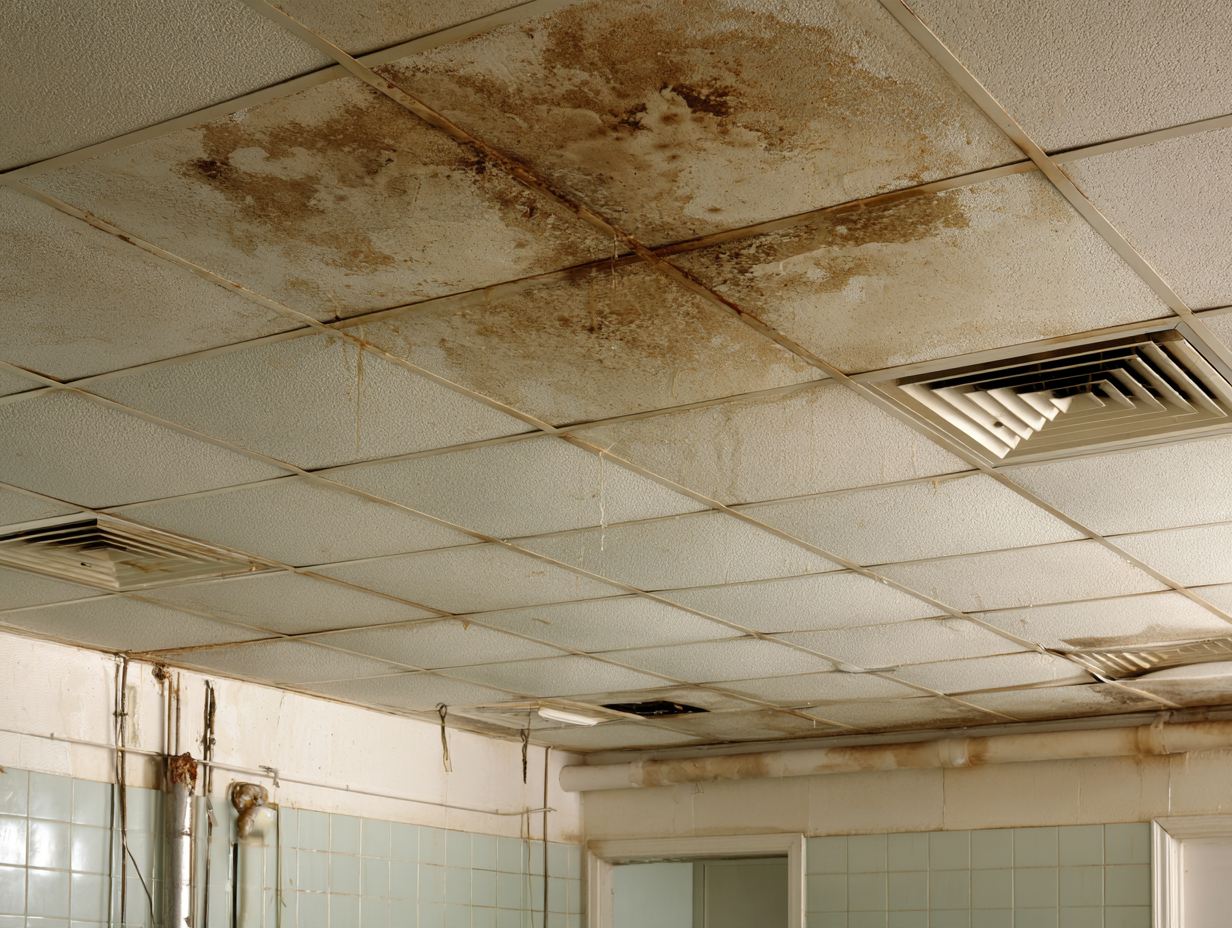
How to Find a Hidden Water Leak in Your Home
Step-by-step checks, from the water meter test to the crawl space.
How to Choose a Licensed Plumber in Caldwell
Idaho licensing, insurance, the right questions and the red flags.